
manga comics have become more than just a Japanese cultural phenomenon—they are a worldwide movement that shapes entertainment, art, and youth culture. With their unique storytelling techniques and distinctive art styles, manga comics transcend borders, appealing to diverse audiences and inspiring countless adaptations across media. As a dynamic art form, manga continuously evolves, influencing everything from fashion to music, and creating vibrant communities of devoted fans. This article delves deep into the enduring appeal, artistic craftsmanship, cultural significance, and emerging trends of manga comics, revealing why they’re a vital part of global popular culture today.
The Enduring Appeal of Manga – A Global Phenomenon
Manga comics have sustained their popularity for decades, captivating millions globally through compelling storytelling and innovative art styles. Their appeal lies not only in escapist narratives but also in their ability to explore complex themes such as identity, morality, and social issues, all woven into accessible and engaging formats. This versatility allows manga to resonate across generations and cultures, facilitating a dialogue that bridges geographical and social divides.
Furthermore, manga’s accessibility plays a crucial role in its widespread appeal. Its serialized format encourages readers to follow stories over long periods, creating a sense of community and anticipation. The diversity of genres available—ranging from action, romance, horror, to psychological thriller—ensures there is something for everyone. As manga comics become increasingly integrated into global pop culture, their influence continues to grow, fostering a sense of shared experience and cultural exchange that transcends language barriers and borders.
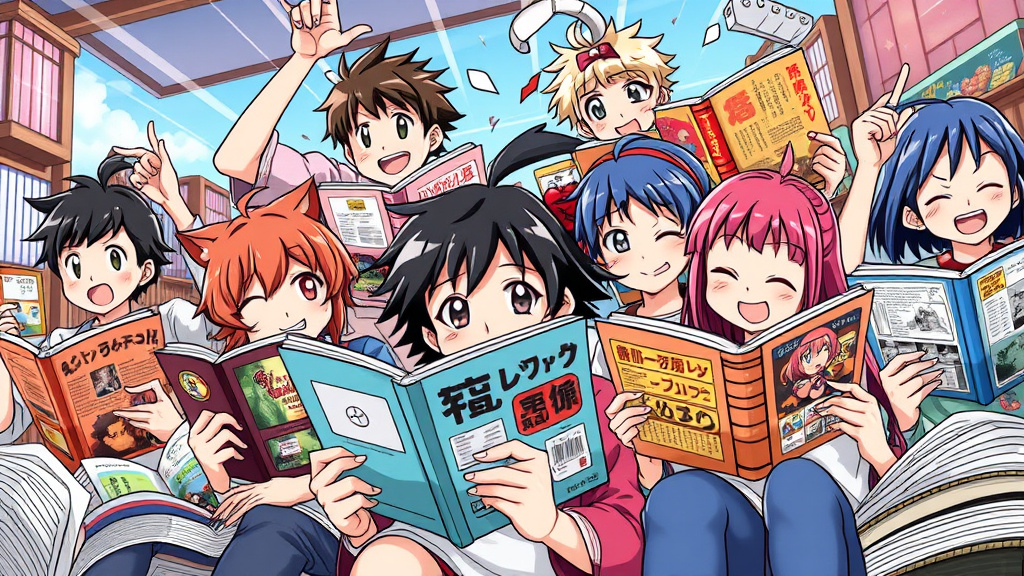 Hình minh họa: manga comics – watch manhwa
Exploring Diverse Genres in Manga – Beyond the Typical Shonen
While shonen manga — targeted primarily at young boys — might be what many associate with the medium, the world of manga is rich with a broad spectrum of genres catering to all ages and interests. Shojo manga focuses on romance and interpersonal relationships, often highlighting emotional depth and character development. Seinen manga, aimed at adult men, explores complex themes like politics, philosophy, and societal critique, offering readers nuanced and mature stories.
The diversity extends even further with genres like slice-of-life, sports, supernatural, horror, and science fiction, among others. Each genre employs its own storytelling conventions and artistic styles, allowing creators to experiment and push boundaries. This genre diversity is one of the key reasons manga appeals to such a wide audience—it’s refreshing and inclusive, offering narratives rooted in real-life experiences or imaginative worlds, often both at once. It demonstrates that manga is not a monolith but a versatile medium capable of profound storytelling across countless worlds and themes.
The Art of Manga – Visual Storytelling Techniques and Styles
One of the defining features of manga comics is their mastery of visual storytelling. The art style, characterized by expressive characters, dynamic panel layouts, and meticulous backgrounds, vividly conveys emotions and actions that words alone cannot achieve. Manga artists utilize techniques such as screentones, speed lines, and varied panel sizes to create a sense of movement, tension, and mood that immerses readers deeply into the story.
Additionally, manga’s artistic styles are diverse, ranging from highly detailed and realistic depictions to minimalist or exaggerated caricatures. This diversity allows creators to craft atmospheres that suit their narratives, whether it’s the bleakness of a dystopian future or the whimsy of a magical fantasy. The storytelling power of manga relies heavily on this visual language, making it an art form that is as much about imagery as it is about text—each panel carefully crafted to guide emotions, foreshadow, or emphasize pivotal moments.
Manga and Comics – Comparing and Contrasting Eastern and Western Approaches
While manga comics and Western comics share the fundamental goal of storytelling through sequential art, their approaches are markedly different, reflecting cultural nuances. Eastern manga typically features a more minimalist and expressive art style with black-and-white illustrations, focusing heavily on character inner worlds and emotional depth. Manga’s rhythm is often contemplative, with longer page layouts and emphasis on atmosphere, whereas Western comics tend to prioritize dynamic action and colorful illustrations, often in a more compact panel structure.
Narrative pacing also diverges, with manga frequently employing serialized storytelling that spans multiple volumes, fostering long-term engagement. Conversely, Western comics are often episodic, with shorter story arcs, emphasizing immediate action and spectacle. Despite these differences, both traditions influence each other, and the cross-pollination between Japanese manga and Western comics has led to innovative storytelling and stylization, enriching the comics landscape globally.
The Cultural Impact of Manga – Influences on Fashion, Music, and Art
Manga comics have had a profound influence on global fashion, music, and art, shaping youth culture and aesthetics worldwide. From streetwear inspired by manga characters to fashion collaborations with major brands, manga’s visual language has permeated clothing, accessories, and style trends. Icons like Naruto or Sailor Moon have become fashion staples, inspiring cosplay and creative self-expression at conventions and online platforms.
Musically, manga and anime have inspired composers, musicians, and bands to incorporate visual motifs, thematic elements, and fan-inspired visuals into their work. Might be more broadly, manga’s art style—characterized by exaggerated expressions and distinct visual motifs—has influenced contemporary digital art, animations, and graphic design, fostering a thriving cultural ecosystem. As an art form that projects vibrant visual storytelling, manga embodies a powerful cross-media influence that extends far beyond the page, making it a catalyst for ongoing cultural innovation.
From Page to Screen – The Adaptation of Manga into Anime and Live-Action
One of the most prominent aspects of manga comics’ proliferation is their adaptation into anime and live-action features. These adaptations help bring manga stories to a broader audience and often contribute to the franchise’s global success. Anime adaptations, with their dynamic animation, soundtracks, and voice acting, enhance the emotional and visual impact of manga narratives, creating an immersive experience that often surpasses the original medium.
Live-action adaptations, though more challenging due to the translation from static images to real-life actors and settings, continue to grow in popularity. They serve as cultural bridges, contextualizing manga stories for viewers unfamiliar with the source material. However, the adaptation process involves creative interpretation, sometimes leading to debates among fans about fidelity to the original work. Overall, these media transformations play a crucial role in popularizing manga stories worldwide and expanding their cultural influence.
The History of Manga – Tracing its Roots and Evolution
The history of manga spans centuries, with roots tracing back to traditional Japanese art forms like emakimono and ukiyo-e, evolving over time into the modern manga comics we recognize today. The post-World War II era marked significant growth, driven by pioneers like Osamu Tezuka, often called the “God of Manga,” who revolutionized storytelling with innovative techniques and a focus on emotional depth.
Throughout its evolution, manga reflected societal changes—from post-war reconstruction to contemporary digital culture—adapting its themes and styles. The advent of manga magazines, dedicated publishers, and international licensing fueled its global spread. Its history is intertwined with shifts in technology, cultural exchanges, and artistic experimentation, making manga not just a reflection of Japanese society but a dynamic, evolving art form that has captivated the world.
Understanding the Manga Industry – Publishing, Distribution, and Piracy
The manga industry is a complex ecosystem involving publishers, distributors, creators, and digital platforms that all work together to bring manga comics to audiences worldwide. Traditional publishing houses have relied heavily on serialized magazines, paperback volumes, and licensing deals to maximize reach. However, the rise of digital platforms has revolutionized distribution, providing instant access and vast libraries at readers’ fingertips, expanding manga’s reach exponentially.
Piracy poses ongoing challenges, threatening creators’ incomes and industry sustainability. While unauthorized sharing can distribute manga more widely, it undermines official sales and the livelihood of artists. As the industry navigates these issues, many publishers are embracing digital innovation, fan engagement, and legal online platforms to ensure sustainable growth. Understanding this landscape underscores the importance of supporting official sources to sustain and foster the flourishing of manga comics.
The Fandom of Manga – Conventions, Cosplay, and Community
Manga fandom is a vibrant, global community animated by shared passion and creativity. Conventions dedicated to manga and anime attract thousands of fans who celebrate their favorite titles through panel discussions, artwork displays, and cosplay competitions. Cosplay, where fans dress up as manga characters, fosters community bonding and individual expression, often showcasing impressive craftsmanship and attention to detail.
Beyond events, online communities provide spaces for discussion, fanfiction, and fan art that continue to fuel the genre’s vitality. Fan-driven projects and collaborations exemplify how manga fans actively participate in the creative ecosystem, expanding the narratives and visibility of manga comics worldwide. This sense of camaraderie and shared interest underscores the cultural power of manga—uniting diverse fans under a common love for storytelling and artistic expression.
Emerging Trends in Manga – Digital Platforms and Creator Empowerment
The manga industry is now experiencing a transformative wave fueled by digital platforms and social media, enabling creators to publish and distribute their work independently. Web manga and smartphone apps have democratized manga creation, allowing new voices and niche stories to reach audiences without traditional gatekeepers. This shift is empowering artists and writers to experiment with styles and themes, fostering innovation and diversity.
Simultaneously, the rise of digital platforms also presents opportunities and challenges around monetization, intellectual property, and audience engagement. Platforms like Webtoon and Tapas exemplify successful models of creator-driven, crowd-supported manga, disrupting conventional industry hierarchies. As technology continues to evolve, the manga landscape will likely become even more inclusive, fluid, and innovative—ensuring that manga comics remain a vibrant and adaptable art form for years to come.
Conclusion
Manga comics have secured their place as a dynamic, influential, and ever-evolving form of storytelling that transcends cultural boundaries. From their rich artistic techniques and diverse genres to their profound cultural impact and global fandom, manga exemplifies the power of visual narrative to inspire, entertain, and connect people. As digital platforms empower creators and broaden access, the future of manga looks vibrant with innovative stories and expanding communities. Its ability to adapt while remaining rooted in tradition ensures that manga continues to shape and reflect contemporary culture for generations to come.
